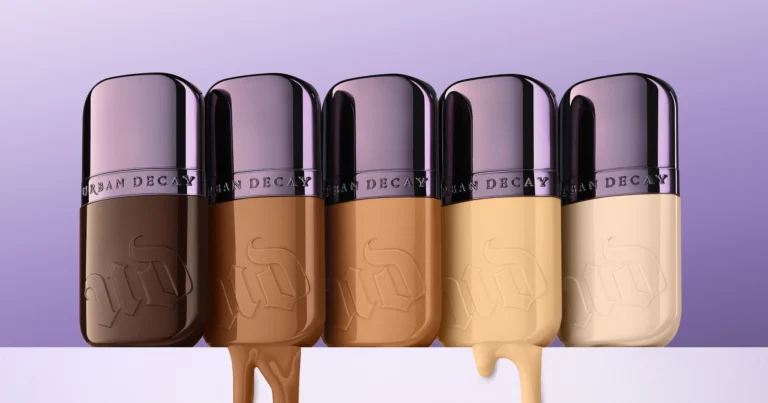
Choosing the right foundation shade can make a big difference in how your makeup looks and feels. A foundation that is too light may leave your complexion looking ashy, while a shade that is too dark can create an obvious line between your face and neck. Even a good-quality foundation may look unnatural if its shade or undertone does not match your skin.
The good news is that finding your perfect foundation shade does not have to be complicated. By understanding your skin tone, identifying your undertone, testing shades correctly, and checking the formula in natural light, you can make a more confident choice.
Whether you are buying foundation for the first time or struggling to find a better match, this guide will help you understand what to look for before purchasing your next bottle.
1. Understand the Difference Between Skin Tone and Undertone
Before choosing a foundation, it is important to understand two terms: skin tone and undertone. They are related, but they describe different things.
Skin tone refers to the overall color of your skin. It is commonly described as fair, light, light-medium, medium, tan, deep, or rich deep. Different brands use different shade names, so these categories are helpful starting points rather than universal standards.
Undertone refers to the subtle color beneath the surface of your skin. It generally falls into three categories:
- Cool undertones: Skin may have pink, red, or bluish hints.
- Warm undertones: Skin may have golden, yellow, or peachy hints.
- Neutral undertones: Skin may have a balance of warm and cool characteristics.
Some brands also offer olive undertones, which can have a subtle greenish or muted golden appearance.
Two people may have a similar medium skin tone but need different foundation shades because their undertones are different. This is why choosing a foundation based only on how light or dark it looks in the bottle can lead to disappointing results.
2. Identify Your Undertone Before Shopping
Understanding your undertone can help you narrow down the available foundation shades. Although no single test works perfectly for everyone, a few simple observations can provide useful clues.
Look at your natural skin appearance. In indirect daylight, observe your skin without makeup. Does it appear more pink or rosy, more golden or yellow, or somewhere between the two? Your natural appearance may offer a better clue than the color of your veins alone.
Consider how jewelry looks on you. Some people find silver jewelry especially flattering, which may suggest a cool undertone. Others feel that gold complements their complexion more naturally, which may suggest a warm undertone. If both look equally good, you may have a neutral undertone. However, personal preference, lighting, and contrast can affect this observation.
Check your veins as a general guide. Blue or purple-looking veins may suggest a cool undertone, while greenish-looking veins may suggest a warm undertone. If you see a mixture of colors, your undertone may be neutral, or the result may simply be difficult to interpret.
Remember that these are clues, not strict rules. Skin undertones can be subtle, and different lighting conditions can change how your complexion appears. If you are still unsure, test foundations with different undertones along your jawline instead of relying on one method.
3. Choose a Foundation Shade That Matches Your Face and Neck
One of the most common foundation mistakes is testing a product on the back of the hand. Although this method is convenient, your hand may be lighter or darker than your face, and its undertone may be different.
Instead, test foundation directly on your jawline, where your face meets your neck.
Follow these steps:
- Select two or three shades that appear close to your natural skin color.
- Apply a small stripe of each shade along your lower cheek and jawline.
- Leave a little space between the swatches so you can compare them easily.
- Blend the edges gently without completely mixing the shades together.
- Look at the swatches in natural daylight.
- Choose the shade that blends most naturally into both your face and neck.
The best match should not look noticeably lighter, darker, pinker, or more orange than the surrounding skin.
If one shade disappears into your skin while the others leave visible stripes, it is probably the closest match. If none of the options looks right, you may need a different undertone or a shade between the available choices.
4. Always Check Foundation in Natural Light
Lighting can change how foundation appears on your skin. Store lighting, bathroom bulbs, and phone flash can make a shade look different from how it will appear outdoors.
A foundation that looks perfect under bright shop lights might appear too yellow, too pink, or too dark in daylight.
After applying your swatches, move near a window with indirect daylight or step outside into a shaded area. Avoid judging the shade under strong direct sunlight alone, as harsh sunlight can also distort how colors appear.
Check the foundation from different angles and compare it with your neck. If possible, take a photo without flash and review it in natural light.
If you are shopping online, use the brand’s official shade guide as your starting point. Look for shade descriptions that mention depth and undertone, and compare photographs of people with a similar complexion. Customer photos and makeup reviews can be helpful, but screen brightness, filters, camera settings, and lighting mean that online swatches are not always reliable.
When possible, choose a retailer with a sample option or a clear return policy.
5. Give the Foundation Time to Set
Do not judge a foundation immediately after applying it. Some formulas change slightly as they dry, and certain products may appear darker or more orange after interacting with skin oils. This change is often called oxidation, although not every foundation that darkens is necessarily oxidizing.
To check whether a shade changes:
- Apply a small amount to clean skin.
- Allow it to settle for around 10–15 minutes, following the product’s instructions where relevant.
- Check the color again in natural light.
- Notice whether it still blends with your jawline and neck.
- Observe whether the finish becomes more matte, shiny, or dry as it sets.
If a shade looks correct at first but becomes noticeably darker later, try another shade or formula before purchasing a full-size product.
Keep in mind that skin oils, skincare products, sunscreen, and the foundation formula can all affect the final appearance. Testing the product with your usual skincare routine can give you a more realistic idea of how it will wear.
6. Match Your Foundation to Your Neck and Chest
Your face, neck, and chest may not have exactly the same color. Sun exposure, clothing, skincare habits, and natural pigmentation can create slight differences between these areas.
For everyday makeup, aim for a shade that blends naturally along your jawline and does not create an obvious separation between your face and neck.
If your chest is more exposed to sunlight and appears darker than your face, decide whether you prefer to match your natural face-and-neck area or create a more balanced appearance across your overall complexion. The important thing is to avoid an accidental mismatch.
Blending a small amount of foundation toward the jawline can soften the transition, but applying foundation down your neck is not always necessary. It can transfer onto clothing, and it may be inconvenient if you are wearing a high neckline.
A suitable shade should do most of the work before you need extensive blending.
7. Choose the Right Foundation Finish for Your Skin Type
Foundation shade is important, but the formula and finish also affect how your makeup looks throughout the day. A well-matched shade may still appear uneven if the formula does not suit your skin’s needs.
For oily skin
A soft-matte or natural-finish foundation may help reduce the appearance of shine. If your skin becomes oily during the day, look for a formula designed for longer wear. You can also use a small amount of powder on areas that become shiny.
Avoid assuming that oily skin needs the driest possible foundation. An overly drying formula may emphasize texture or feel uncomfortable.
For dry skin
A hydrating or natural-radiant foundation may be more comfortable if your skin feels tight or flaky. Preparing your skin with a suitable moisturizer can help foundation apply more evenly.
Very matte formulas may emphasize dry patches, particularly when the skin is not well moisturized.
For combination skin
A natural or satin finish can be a practical option if your forehead and nose become oily while your cheeks feel dry. You can also apply powder selectively to oilier areas instead of using a heavy layer across your entire face.
For sensitive skin
Look for a formula that suits your known sensitivities and avoid ingredients that have previously caused irritation. Fragrance-free options may be worth considering if fragrance tends to bother your skin, although no product is guaranteed to suit everyone.
If you are unsure about a formula, test a small amount on an inconspicuous area first and discontinue use if irritation develops.
8. Understand Foundation Shade Names and Numbers
Foundation shade labels can be confusing, especially when you are comparing products from different brands.
One brand may use names such as Warm Beige, Golden Tan, or Natural Ivory. Another may use numbers or combinations of letters and numbers. These labels are not standardized across the beauty industry.
For example, a shade called “Medium Beige” in one range may be lighter, darker, or more pink-toned than a similarly named shade in another range.
When comparing shades, pay attention to two things:
- Depth: How light or deep the shade is.
- Undertone: Whether the shade leans warm, cool, neutral, or olive.
If you already own a foundation that matches well, use it as a reference when exploring another brand. Compare the official shade descriptions and swatches, but test the new product if possible rather than assuming that matching shade names mean matching colors.
Also remember that foundation ranges vary in how many shades they offer. If you cannot find a suitable match, consider another brand with a wider range of undertones and depths.
9. Adjust for Seasonal Changes in Your Skin Tone
Your skin tone may change throughout the year, particularly if you spend more time outdoors during warmer months. A summer tan can make your usual foundation look lighter than your current complexion.
However, seasonal changes are not the same for everyone. Some people experience very little difference between seasons, while others notice a more obvious change.
If your foundation becomes too light or too dark at certain times of the year, you have a few options:
- Keep a lighter shade and a deeper shade for different seasons.
- Mix two compatible foundation shades to create a closer match.
- Reassess your undertone and depth when purchasing a new formula.
- Use your usual foundation only on the areas where it matches and blend carefully around the edges, if appropriate for your preferred makeup look.
If you mix foundations, choose products with compatible formulas and finishes. Mixing different formulas can sometimes change their texture, coverage, or wear time. Test the combination before applying it for an important occasion.
You do not need to buy multiple bottles if your skin tone changes very little. The goal is to find a practical solution that works for your complexion and budget.
10. Prepare Your Skin Before Testing Foundation
Your skin preparation can affect how foundation applies and wears. Dry patches, excess oil, or skincare products that have not settled can make it harder to judge a shade and finish accurately.
Before testing a foundation:
- Cleanse your face gently.
- Apply your usual moisturizer if needed.
- Use sunscreen during the day as part of your normal routine.
- Allow your skincare products to settle.
- Apply a small amount of foundation without adding several other complexion products first.
If you use a primer regularly, you can test the foundation with it after checking the shade on its own. This helps you understand whether the primer changes the finish or wear of the product.
For additional guidance on preparing your skin, read our guide to a simple skincare routine for your skin type. You can replace this link with the direct URL of your published skincare routine article.
11. Avoid These Common Foundation-Shade Mistakes
Even when you understand your skin tone, a few common habits can make choosing foundation more difficult.
Choosing a lighter shade to look fairer. A lighter foundation does not necessarily make makeup look brighter or more flattering. It can create an ashy or grey cast, especially when the undertone is also incorrect. Choose a shade that matches your complexion instead of trying to change your natural skin color.
Choosing a darker shade to look tanned. A foundation that is too deep can leave your face looking separate from your neck. If you want a warmer or sun-kissed look, consider using bronzer after applying a well-matched foundation.
Ignoring undertones. Two foundations can have a similar depth but look completely different on your skin. Always consider undertone as well as lightness or darkness.
Testing only under artificial lighting. Indoor lighting may conceal a mismatch. Check your swatches in daylight before making your final decision.
Buying immediately without testing. A quick swatch may not reveal how the foundation changes after drying or how it feels after several hours. Ask for a sample when possible.
Assuming expensive foundations always match better. Price does not guarantee a perfect shade match. A more affordable foundation with the right depth, undertone, and finish may work better for you than a premium product in the wrong shade.
Using someone else’s shade as your own reference. A friend or influencer may have a similar skin tone but a different undertone. Use other people’s recommendations as a starting point, not as a guarantee.
12. Try a Foundation Sample Before Buying
If you are unsure between two shades, testing a sample can save you money and disappointment.
Ask the store whether it offers samples or allows you to test products. Apply the closest shade and wear it for a few hours during your usual activities.
During the test, observe:
- Whether the shade becomes darker or changes color.
- Whether it looks natural along your jawline.
- Whether it becomes excessively shiny or emphasizes dry patches.
- Whether the finish remains comfortable.
- Whether the product separates or settles into areas of texture.
If you are shopping online, check the retailer’s sample availability and return conditions before ordering. Some makeup products cannot be returned once opened, so it is worth understanding the policy first.
If you are testing a sample from a shared tester, use a hygienic applicator and avoid applying communal products directly to your face or lips. When in doubt, ask store staff for a clean application method.
Conclusion
Choosing the right foundation shade becomes much easier when you focus on three essentials: skin depth, undertone, and a natural match along your jawline.
Start by identifying whether your undertone appears warm, cool, neutral, or olive. Test a few suitable shades on your jawline instead of your hand, check them in natural daylight, and wait for the foundation to settle before making a decision. Consider your skin type and preferred finish, and remember that your shade may change slightly with the seasons.
Most importantly, do not rush into buying a full-size product if you are uncertain. A sample or in-store test can help you find a foundation that blends naturally with your complexion and feels comfortable throughout the day.
The best foundation shade is not necessarily the lightest, darkest, or most expensive option. It is the one that works with your natural skin tone and helps you achieve the makeup look you want.
This article is for general information and is not medical advice. See our Disclaimer for details.