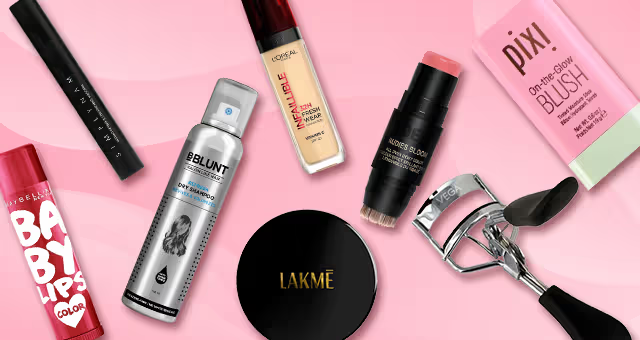
Starting your makeup journey can feel exciting, but it can also be confusing. Walk into a makeup store or browse beauty products online, and you will find countless foundations, concealers, brushes, sponges, powders, and palettes. Every brand seems to offer something new, making it easy to believe that you need dozens of products to create a beautiful look.
The truth is much simpler: you do not need a large makeup collection to get started. A few well-chosen products and some basic tools are enough to create a fresh, natural everyday look.
If you are a beginner, focus on learning how each product works instead of buying everything at once. Choose formulas that feel comfortable on your skin, practise applying small amounts, and build your routine gradually.
This guide covers the essential makeup products, the tools worth buying, the correct application order, and simple tips to help you feel more confident as you learn.
1. Prepare Your Skin Before Applying Makeup
Good makeup starts with comfortable, well-prepared skin. Foundation and concealer generally apply more evenly when your skin is clean and moisturized rather than dry, flaky, or covered with excess oil.
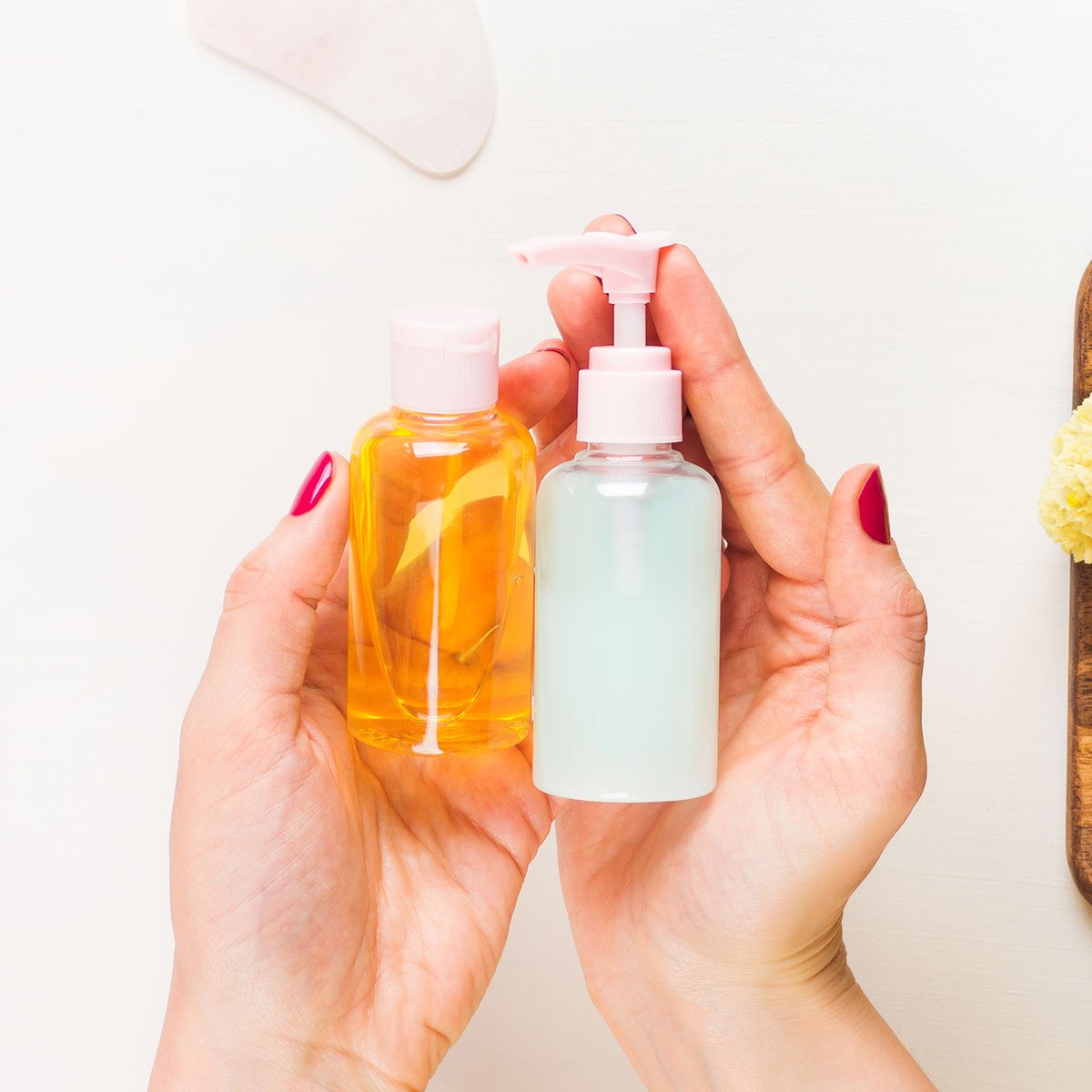
Begin by washing your face with a gentle cleanser suitable for your skin type. Apply moisturizer and allow it to settle before moving on to makeup.
If you are getting ready during the day, apply broad-spectrum sunscreen with SPF 30 or higher as part of your morning skincare routine. Give your skincare products time to settle according to their directions before applying your base makeup.
Your skin type can influence which products feel most comfortable:
- Dry skin: A moisturizing cream and a hydrating base may help prevent makeup from looking flaky.
- Oily skin: A lightweight moisturizer and a foundation with a natural or matte finish may feel more comfortable.
- Combination skin: You may prefer lightweight hydration overall, with a little extra moisture on dry areas.
- Sensitive skin: Choose products that your skin tolerates well and introduce new formulas gradually.
You do not need a special primer to begin wearing makeup. If your skincare routine leaves your face comfortable and your makeup applies smoothly, you can skip primer until you discover a specific reason to use one.
2. Choose a Simple Makeup Base
Your makeup base helps create a more even-looking complexion. For beginners, there are several options, and the best one depends on how much coverage you want.
Tinted moisturizer: This combines light coverage with moisturizing ingredients. It can be a good option if you prefer a fresh, minimal look.
BB cream: BB creams generally offer light to medium coverage, although their formulas vary. Some include moisturizing or other skincare ingredients.
Foundation: Foundation comes in different coverage levels and finishes. A lightweight foundation can be a useful choice if you want to even out your complexion while keeping your makeup natural.
You do not need to buy all three. Start with one product that matches your preferences and budget.
When choosing a shade, test the product along your jawline if possible. The right shade should blend naturally with both your face and neck in suitable lighting. Do not rely entirely on how the shade looks inside a package or under strong store lights.
To apply your base, begin with a small amount and spread it evenly over the areas where you want coverage. Add another thin layer only where needed.
A common beginner mistake is applying too much foundation immediately. Heavy application can make makeup look cakey, especially around the nose, mouth, and dry areas. Building coverage slowly usually creates a more natural finish.
3. Use Concealer Only Where You Need It
Concealer is designed to provide additional coverage for specific areas, such as dark circles, blemishes, redness, or uneven pigmentation.
For everyday makeup, one suitable concealer may be enough. You do not need separate concealers for every possible concern when you are just learning.
Choose a shade close to your skin tone if your main goal is covering spots or blemishes. For the under-eye area, some people prefer a shade that is slightly lighter, but going too light can make the area look grey or overly bright.
Apply a small amount directly to the area you want to cover. Blend the edges gently using your fingertips, a small sponge, or a suitable brush.
If you have dark circles, avoid applying a thick layer of concealer over the entire under-eye area. Start with a little product and build coverage gradually, concentrating on the areas that need it most.
For blemishes, gently tap the concealer into place instead of repeatedly rubbing it away. This helps preserve coverage where you need it.
Remember that concealer is optional. If your base already gives you the finish you want, you may not need it every day.
4. Add Blush for a Fresh, Natural Look
Blush adds colour to the cheeks and can make a simple makeup look feel more complete. It is also one of the easiest products for beginners to experiment with.
You can choose between cream, liquid, and powder blush. Each type offers a slightly different application experience.
Cream blush: Often easy to blend with fingers or a sponge. It can create a soft, skin-like finish.
Liquid blush: Usually highly pigmented, so a small amount may be enough. Apply carefully and blend promptly according to the product’s directions.
Powder blush: Works well with a fluffy brush and can be convenient if you prefer a more powdered finish.
Choose a colour that you enjoy and that works with your overall makeup look. Soft pink, peach, rose, and berry shades are common options, but the most flattering colour depends on your complexion and personal preference.
Apply blush gradually to the cheeks and blend the edges so there are no obvious lines. If the colour looks too strong, soften it with a clean sponge or a little of your base product.
You do not need several blush shades at the beginning. One versatile colour is enough to practise placement and blending.
5. Keep Eye Makeup Simple
Eye makeup can transform your overall look, but beginners do not need a large eyeshadow palette or complicated techniques to get started.
Two useful basics are kajal or eyeliner and mascara.
Kajal or eyeliner: These products define the eyes. You can apply a small amount along the lash line for a subtle everyday look, then experiment with different shapes as your confidence grows.
Mascara: Mascara makes lashes look more defined and can help them appear longer or fuller, depending on the formula. Begin at the base of the lashes and move the wand gently toward the tips, following the product instructions.
If you want to explore eyeshadow, start with one or two neutral shades. A small amount of a soft brown or other wearable colour can add definition without requiring complicated blending.
Use products specifically intended for the eye area. Avoid sharing eye makeup, and stop using a product if it causes redness, itching, watering, or other irritation.
Mascara also requires particular care because it is used near the eyes. Replace it according to the manufacturer’s instructions; many eye-health recommendations advise replacing mascara around three months after opening. Never add water or other liquids to an old mascara tube to extend its use.
6. Decide Whether You Need Brow Products
Brows frame the face, but you do not need to fill them in heavily to achieve a polished look.
If your brows already have the shape and fullness you like, you can leave them as they are. If you want a little extra definition, a brow pencil or brow gel may be useful.
Brow pencil: Helps fill sparse areas with small, light strokes. Choose a shade that looks natural against your brows rather than automatically selecting the darkest colour.
Brow gel: Helps keep brow hairs in place and can be useful for a quick, low-effort routine.
When using a pencil, avoid drawing one solid line across the entire brow. Short, gentle strokes generally create a softer appearance.
For beginners, one brow product is enough. Practise shaping and filling your brows lightly before experimenting with more dramatic styles.
7. Choose a Lip Product You Will Actually Wear
Lip colour is an easy way to complete your makeup, and you do not need a large lipstick collection to get started.
A tinted lip balm, a comfortable lipstick, or a lip tint can all work well for everyday use.
Tinted lip balm: Offers a subtle hint of colour and can be convenient when you want a quick, natural look.
Lipstick: Available in different finishes, including matte, satin, and glossy. Satin or creamy formulas may feel more comfortable if you dislike the dryness that some matte lipsticks can cause.
Lip tint: Often provides a lighter wash of colour, although the finish and staying power vary by product.
Choose a shade that suits your preferences and feels comfortable to wear. If your lips are dry, apply a suitable lip balm before using colour and allow it to settle.
You can start with a shade close to your natural lip colour and explore brighter shades later. There is no need to follow every trending lipstick colour if it does not fit your personal style.
8. Which Makeup Tools Do Beginners Really Need?
You can apply several makeup products with clean fingers, especially cream formulas. This means you do not need to buy an expensive brush collection before you start practising.
A few basic tools can cover most everyday makeup needs.
A blending sponge: Useful for blending liquid or cream foundation and concealer. Depending on the product’s instructions, some sponges work best slightly damp. If you dampen one, squeeze out excess water before use.
A fluffy brush: Useful for applying powder or blending powder blush. A soft brush can help distribute product without leaving a heavy layer in one place.
A small eyeshadow brush: Helpful if you plan to use powder eyeshadow. It allows more controlled application and makes blending easier.
Your clean fingers: Useful for applying many cream blushes, tinted moisturizers, and other cream products. Warmth from your fingers can help certain formulas blend smoothly.
You may eventually find other tools useful, but you do not need them immediately. Start with what helps you apply your chosen products neatly and comfortably.
9. Learn the Correct Order of Makeup Application
Knowing the general order of application can make getting ready easier. However, the exact order may vary depending on the formulas you use and the finish you want.
For a simple everyday look, follow this sequence:
- Skincare: Cleanser, moisturizer, and daytime sunscreen.
- Base: Tinted moisturizer, BB cream, or foundation.
- Concealer: Apply to dark circles, blemishes, or other areas needing extra coverage.
- Cream products: Apply cream blush or other cream complexion products before setting with powder.
- Powder: Use a light layer where you want to reduce shine or help makeup stay in place.
- Eyes and brows: Apply kajal or eyeliner, mascara, and brow products.
- Lips: Finish with your chosen lip balm, lipstick, or tint.
You can adjust the sequence to suit your routine. For example, some people prefer to do their eye makeup before their base, especially when using eyeshadow that may fall onto the cheeks.
If you use a cream blush, blending it before powder often makes application easier. If you prefer powder blush, apply it after your base has been set where necessary.
The most important thing is to apply products in a way that allows them to blend smoothly rather than creating unnecessary layers.
10. Follow These Beginner Makeup Tips
Learning makeup is a process of practice and experimentation. You do not need to master every technique immediately.
Start with less product. Apply a small amount and build coverage only where needed. It is easier to add more than to remove an overly heavy layer.
Blend in good lighting. Natural daylight can help you see whether your foundation matches your skin and whether blush or concealer has visible edges.
Choose products that suit your skin. A product that looks beautiful on someone else may feel too heavy, dry, or irritating on your skin.
Practise one technique at a time. Instead of trying a completely new look every morning, spend a little time learning how to blend foundation, apply blush, or define your brows.
Do not compare your first attempts with professional makeup. Makeup artists often use specialised lighting, tools, and techniques. Everyday makeup can be much simpler and still look lovely.
Check your makeup in different lighting. Makeup that looks balanced in a bathroom may appear different near a window or outdoors.
Spend according to your budget. Expensive products are not automatically better. Focus on suitable shades, comfortable formulas, and products you will use regularly.
11. Keep Your Makeup Brushes and Products Clean
Clean tools are an important part of a safe makeup routine. Brushes and sponges can collect oil, dead skin cells, makeup residue, and microorganisms with repeated use.
Using dirty tools may contribute to irritation or breakouts, and contaminated eye makeup can increase the risk of eye problems.
Wash reusable brushes and sponges regularly with a suitable cleanser, following the tool manufacturer’s instructions. Rinse them thoroughly and allow them to dry completely before storing them.
Do not leave damp sponges in closed containers, where moisture can remain trapped. Store your tools in a clean, dry place.
Avoid sharing mascara, eyeliner, lip products, or other cosmetics that come into direct contact with the skin or eyes. Keep product containers clean and close them properly after use.
Check expiration dates and any period-after-opening symbols on the packaging. Discard products that have changed unexpectedly in smell, texture, or appearance, or that may have become contaminated.
If a product causes persistent irritation, stop using it instead of trying to cover the reaction with more makeup.
12. Final Thoughts: Build Your Makeup Collection Slowly
You do not need a professional makeup kit to create a beautiful everyday look. A suitable base, concealer if needed, blush, kajal or eyeliner, mascara, and a comfortable lip colour are enough to get started.
Your fingers and a few basic tools can help you apply these products without spending money on a large brush set. As you gain experience, you can decide whether you want to add eyeshadow palettes, setting sprays, primers, or other products.
Focus on learning simple techniques, choosing shades that suit you, and keeping your tools clean. Remember that makeup is a personal choice, not a list of rules you must follow.
Start small, practise at your own pace, and buy products because they meet your needs rather than because they are trending. The best beginner makeup routine is one that makes you feel comfortable, confident, and happy with your own style.
This article is for general information and is not medical advice. See our Disclaimer for details.