If you could do only one thing for your skin, daily sunscreen would be it. Sun exposure is a major cause of dark spots, uneven tone and early signs of aging, and it raises the risk of skin cancer.
Yet choosing a sunscreen can be confusing. SPF, PA, mineral, chemical: what does it all mean? Here is a plain guide.
What SPF Means
SPF stands for Sun Protection Factor. It measures protection against UVB rays, which cause sunburn. For everyday use, most skin experts suggest SPF 30 or higher. A higher number gives slightly more protection, but no sunscreen blocks everything, and none lasts all day without reapplying.
Look for “Broad-Spectrum”
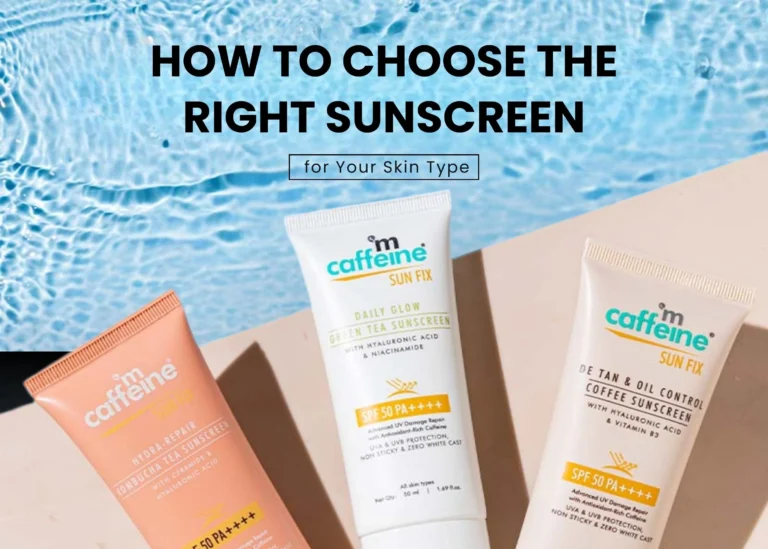
UVA rays penetrate deeper and contribute to aging and dark spots. A broad-spectrum label means the product protects against both UVA and UVB. Some brands also show a PA rating (like PA+++), which indicates UVA protection. More plus signs mean stronger protection.
Mineral or Chemical?
- Mineral (physical) sunscreens use zinc oxide or titanium dioxide, and sit on top of the skin to reflect rays. They are often gentler on sensitive skin, but can leave a white cast.
- Chemical sunscreens absorb UV rays and convert them to heat. They are usually lighter and blend in easily, but a few people find them irritating, especially around the eyes.
Neither type is better for everyone. Choose the one you will actually wear every day.
Choosing by Skin Type
- Oily skin: gel, fluid or “matte” formulas that feel light.
- Dry skin: cream sunscreens with moisturizing ingredients.
- Sensitive skin: fragrance-free formulas, often mineral-based.
- Acne-prone skin: lightweight, non-comedogenic options.
- Darker skin tones: some mineral formulas leave a chalky look, so tinted or chemical formulas may blend better.
How to Apply It Properly
- Use enough. Most people use too little. Many skin experts suggest about two finger-lengths of sunscreen for the face and neck. Check the instructions on your product.
- Apply it as the last step of your morning skincare, before makeup.
- Do not forget ears, the back of the neck and the hairline.
- Reapply every two hours when you are outdoors, and after sweating or swimming.
Common Mistakes
- Skipping it on cloudy days or when you stay indoors near windows
- Using too little, or only applying it once
- Using an expired product
- Relying on a moisturizer or foundation that says “SPF” for full protection
A Note on Safety
If a sunscreen causes redness, burning or a rash, stop using it and talk to a doctor. And remember, sunscreen works best together with shade, hats and sunglasses.
The Short Version
Choose a broad-spectrum sunscreen with SPF 30 or higher in a texture you like, apply enough, and reapply when outdoors. The best sunscreen is the one you will use every single day.
This article is for general information and is not medical advice. See our Disclaimer for details.