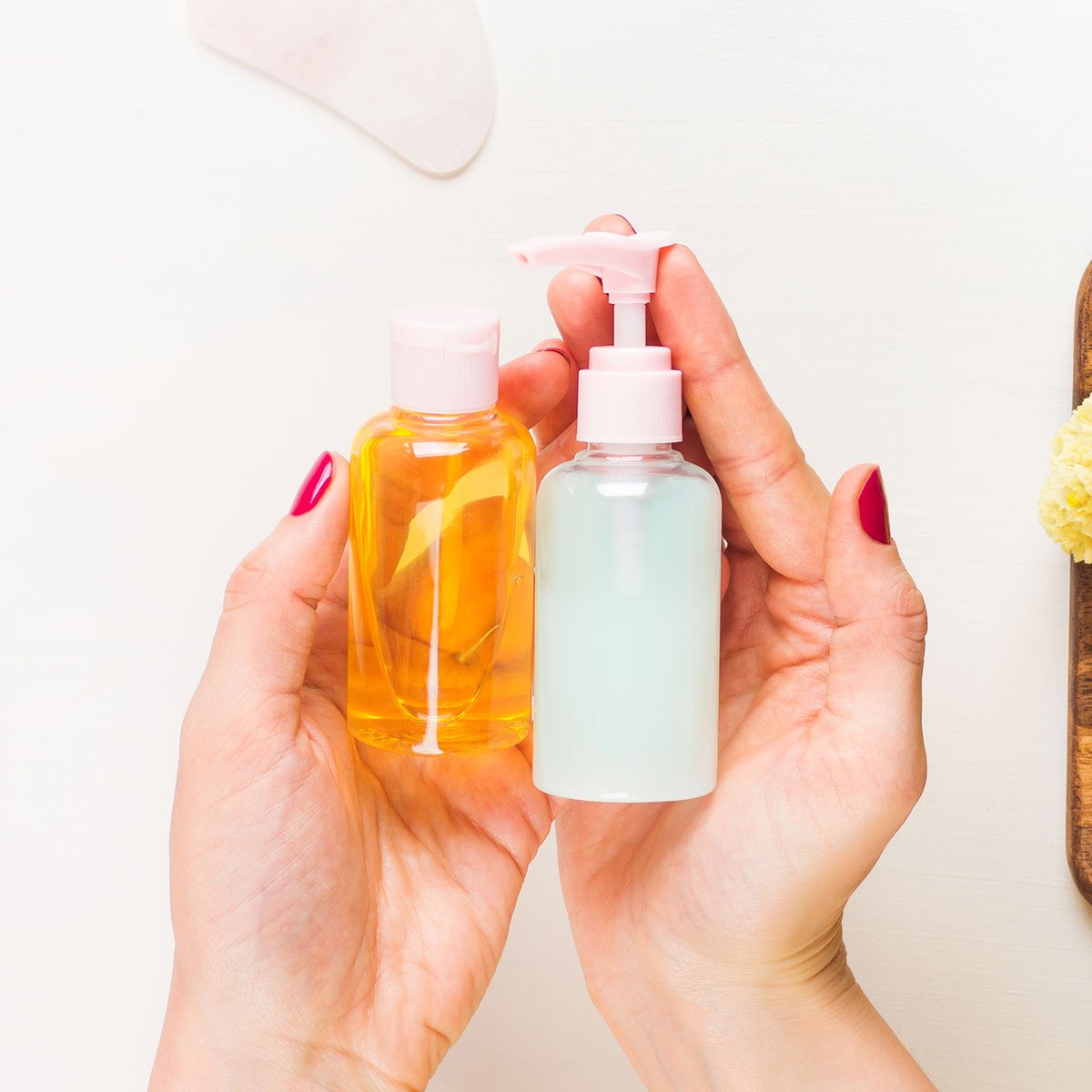

If you have ever stood in front of a shelf of serums, toners and creams and felt completely lost, you are not alone. Most skincare advice online makes it sound like you need ten products and a free hour every morning. You don’t.
A good routine for a beginner is short. Four steps, a few minutes, and products you can keep using for months. Here is how to put one together.
First, Know Your Skin Type
Before you buy anything, work out what your skin is like. A quick way to do it: wash your face with a gentle cleanser, pat it dry, and wait an hour without putting anything on it. Then look in the mirror.
- Oily: your whole face looks shiny, especially the forehead, nose and chin.
- Dry: your skin feels tight, and may look flaky or dull.
- Combination: the T-zone is shiny, but your cheeks feel normal or dry.
- Sensitive: your skin often turns red or stings when you try new products.
Most people fall somewhere between these, and skin can change with the weather. So don’t worry about being exact. A rough idea is enough to choose products.
The Four Basic Steps
1. Cleanser
Cleansing removes dirt, oil and sweat from the day. Pick something gentle. If your skin feels tight or squeaky right after washing, the cleanser is probably too harsh. Wash your face twice a day, morning and night, with lukewarm water. Very hot water tends to dry the skin out.
2. Moisturizer
Every skin type needs a moisturizer, even oily skin. If you have oily skin, look for a light, gel-type formula. For dry skin, a thicker cream usually works better. Apply it while your face is still slightly damp, as this helps it feel more comfortable.
3. Sunscreen
If you only add one thing from this guide, make it this one. Sunscreen is the step that protects your skin every single day, and it is the one most people skip. Use a broad-spectrum sunscreen with SPF 30 or higher, and put it on as the last step of your morning routine. Reapply if you are outside for a long time. Read the instructions on the bottle, since the amount you need matters more than most people think.
4. One Extra Product (Optional)
Once the first three steps feel easy, you can add one product that targets something specific, such as a gentle exfoliant for rough texture or a niacinamide product for oiliness. Add only one at a time, so you can tell what is helping and what is bothering your skin.
A Simple Morning and Night Plan
Morning
- Rinse or cleanse your face
- Moisturizer
- Sunscreen
Night
- Cleanser (this is the important wash, as it removes sunscreen and the day’s buildup)
- Moisturizer
- Your extra product, if you use one
That is the whole routine. If you wear makeup, remove it before the night cleanser, with a cleansing balm or micellar water.
Mistakes Beginners Often Make
- Starting too many products at once. If your skin reacts, you won’t know which one caused it.
- Changing products every week. Skin needs time. Give a new product at least a few weeks before deciding it doesn’t work.
- Skipping sunscreen on cloudy days. UV rays reach your skin even when it is overcast.
- Over-washing or scrubbing hard. More cleaning does not mean cleaner skin. It often means irritated skin.
- Judging a product by its price. A costly cream is not automatically better than a simple one. Read the ingredient list and what suits your skin.
Patch Test New Products
Before using a new product on your whole face, try a small amount on a small area, such as behind your ear or on your inner arm. Wait a day. If you notice redness, itching or burning, don’t use it.
“When I first started, I bought five products in one week and couldn’t tell which one broke me out. Going back to just a cleanser, moisturizer and sunscreen made things calmer.”
When to See a Doctor
A simple routine can look after everyday skin. But if you have painful acne, a rash that won’t go away, sudden changes in a mole, or skin that keeps reacting, it is best to see a dermatologist. Products can’t replace medical care.
The Short Version
Start with a gentle cleanser, a moisturizer and sunscreen. Stick with them for a month before adding anything else. A simple routine you actually follow will do more for your skin than a complicated one you give up on.
This article is for general information and is not medical advice. See our Disclaimer for details.